Astronomers Observe Five Galaxies Colliding
Just 800 Million Years After the Big Bang
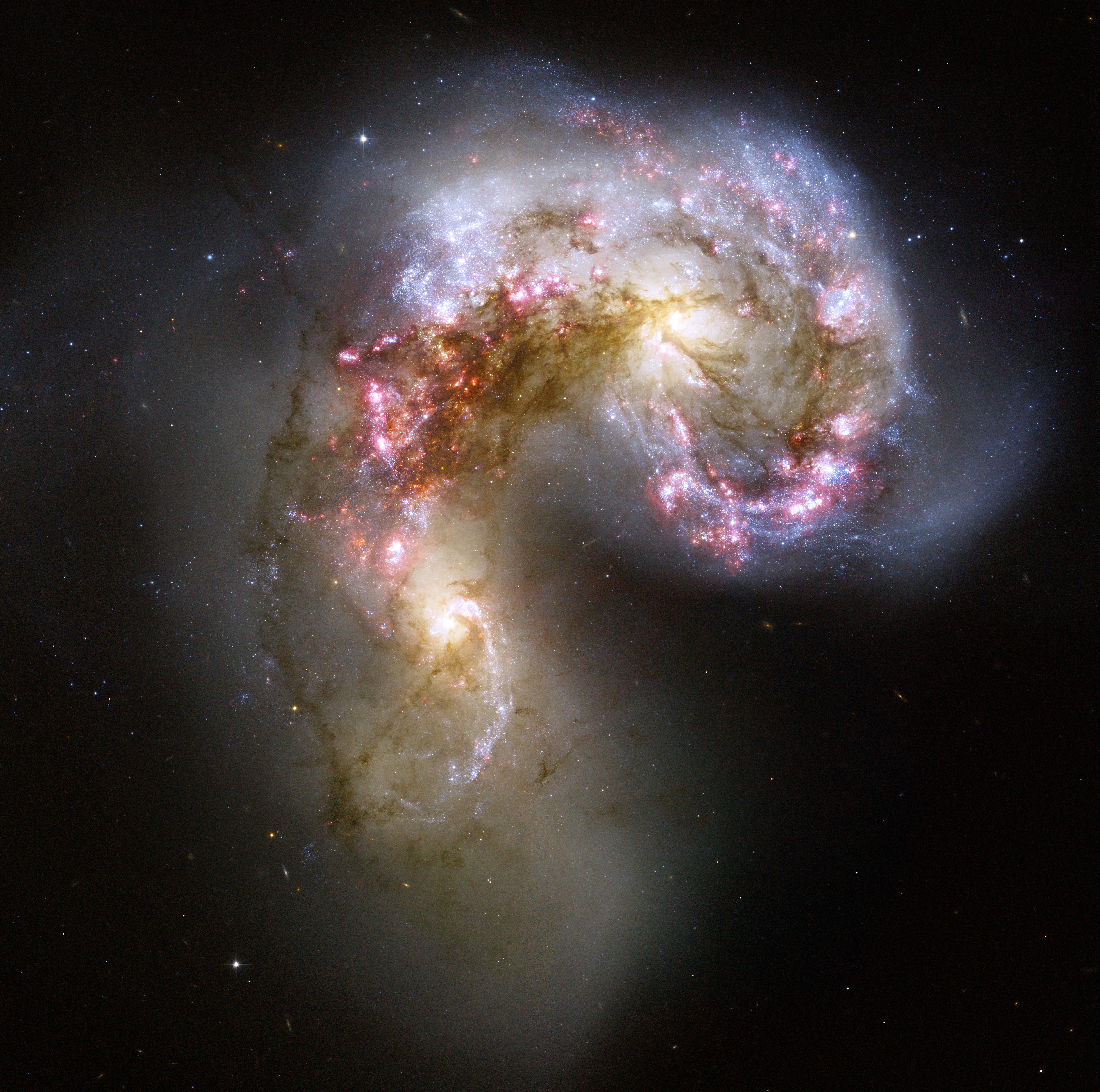
In a groundbreaking observation, astronomers have detected five galaxies colliding approximately 800 million years after the Big Bang, a period when the universe was still in its infancy. This rare event provides critical clues about the processes that shaped galaxy formation in the early cosmos. Such collisions are thought to drive rapid star formation and influence the growth of galaxies over time.
The discovery was made possible by powerful space-based telescopes equipped to peer deep into the universe's past. By studying the light from these distant galaxies, researchers can analyze their structure, composition, and the dynamics of their interaction. Observing multiple galaxies merging simultaneously challenges previous models and helps scientists better understand the complex nature of early galactic evolution.
This finding not only enriches our knowledge of cosmic history but also demonstrates the capabilities of modern astronomical instruments in uncovering the universe's most ancient secrets. As technology advances, astronomers anticipate discovering even more about the formative years of galaxies, offering a clearer picture of how the cosmos came to be.