Artemis I: The Historic First Flight of NASA’s Next-Gen Moon Rocket
A Milestone in Space Exploration Marked by Artemis I’s Successful Launch
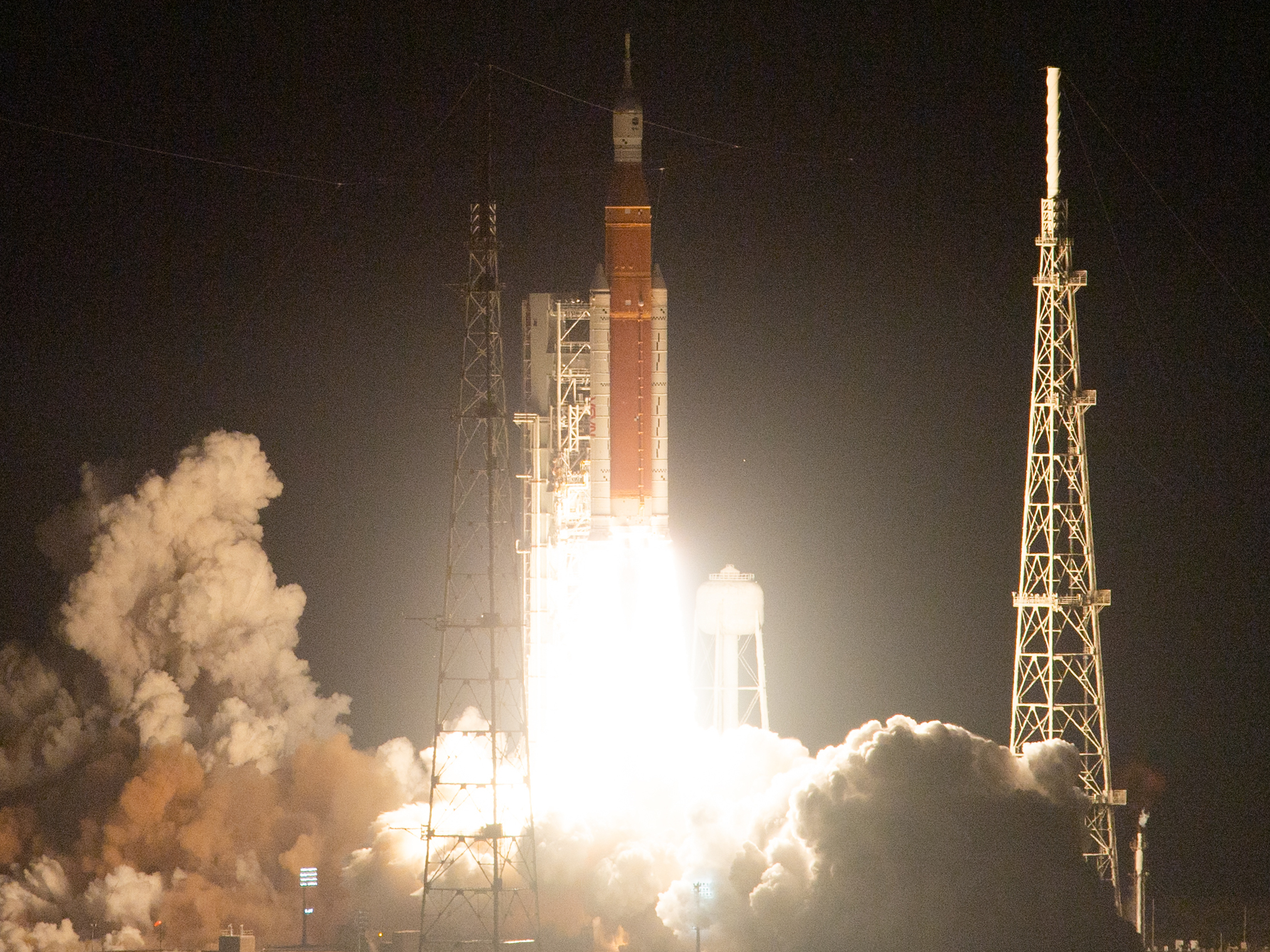
The Artemis I mission represents a significant milestone in NASA’s ambitious plan to return humans to the Moon and eventually reach Mars. This inaugural flight of the Space Launch System (SLS) rocket and Orion spacecraft was conducted without astronauts on board, serving as a critical test of the integrated vehicle’s performance in deep space. The successful launch and journey demonstrate the readiness of the new heavy-lift rocket and spacecraft systems that will carry astronauts on future lunar missions.
During the mission, Orion traveled thousands of miles beyond the Moon, testing vital systems such as navigation, propulsion, and communication, while enduring the harsh space environment. This extensive testing phase ensures astronaut safety and mission success for Artemis II, which will carry crew members around the Moon. Artemis I’s achievements reignite enthusiasm for space exploration and underscore the collaborative efforts between NASA and its partners to extend humanity’s presence beyond Earth.
The Artemis program aims to establish a sustainable human presence on the Moon by the end of the decade, with plans to land the first woman and the next man on the lunar surface. By leveraging the capabilities demonstrated during this first flight, NASA is laying the groundwork for a new era of exploration that will ultimately lead to human missions to Mars and beyond.